
Why choosing the wrong window material can cost you more than the sticker price
Homeowners often shop for windows the same way they buy paint: pick a color and a price and assume it will hold up. That approach hides three real costs: higher heating and cooling bills, surprise repairs or replacements, and time spent on maintenance. A cheap vinyl window might look fine the first few years but can warp, crack, or lose its seal. That leads to drafts, condensation, and faster deterioration of the entire unit. On the other hand, fiberglass usually costs more up front but resists dents, holds a tight seal, and keeps insulating performance questions to ask window replacement companies for decades.
Think of it like choosing materials for a deck. Pressure-treated wood is low cost but needs staining and repairs often. Composite decking costs more initially but stays straight and requires little work. Windows behave the same way: the frame material shapes long-term performance and cost.
How poor window choices hit your comfort, wallet, and home value this winter
When a window fails, effects are immediate. You feel drafts, rooms take longer to reach temperature, and humidity can cause condensation that damages trim and paint. Those are the short-term pains. Over time, inefficient windows raise energy bills. On average, older or poorly sealed windows can account for 10-25% of a home’s heating and cooling losses. That percentage varies by climate, but in colder regions the impact is especially strong.
There’s also resale value to weigh. Buyers notice windows that look worn or fogged between panes. Even if they don’t replace the windows right away, they’ll factor replacement cost into an offer. So a low upfront cost can turn into a lower sale price or lost equity.
3 reasons vinyl windows sometimes fail to meet homeowners’ expectations
Thermal movement and seal failure: Vinyl expands and contracts more than fiberglass or wood as temperatures swing. That movement puts stress on glass seals. When a seal fails, moisture gets between panes and insulation value drops. The immediate result is fogging and lower R-value in that unit.
Surface damage and discoloration: High-impact dents are less common with vinyl than with softer materials, but vinyl can warp or fade under repeated UV exposure and heat. Think of it like a vinyl siding panel on the south side of your house that curls after years of sun. That cosmetic damage speaks to underlying structural changes.
Limited long-term structural stability: Vinyl is hollow or foam-filled in many frames. Cheaper profiles rely on internal air pockets for shape. Over time, that profile can flex under wind loads or from repeated sash operation. The result: windows that stick, hardware that loosens, and frames that don’t hold glass as tightly as they did when new.
Those three causes feed each other. Heat-driven movement stresses seals. Stressed seals let moisture in. Moisture and movement accelerate cosmetic and mechanical problems. That’s why a small material constraint can trigger a chain reaction costing you energy and repairs.

Why fiberglass windows often solve longevity and energy-efficiency problems
Fiberglass frames are designed to resist the chain reaction that defeats many vinyl units. The material has a lower coefficient of thermal expansion, so frames hold their shape as temperature changes. That keeps seals tight, which keeps gas fills and low-e coatings doing their job. The net effect is more stable insulation value over time.
For another home-project analogy, imagine building a garage using metal studs instead of cheap dimensional lumber. Metal stays straight through moisture and temperature swings. Fiberglass behaves similarly for window frames: it stays straight, resists dents, and maintains a precise frame geometry so glass and weatherstripping keep sealing.
From an energy point of view, fiberglass frames can be engineered with thermal breaks and foam cores. When paired with double-glazed or triple-glazed glass, argon or krypton fills, and low-e coatings, fiberglass windows commonly outperform vinyl in real-world tests. That doesn’t mean every fiberglass window will beat every vinyl window on every metric. But as a class, fiberglass gives more predictable long-term performance.
Cost comparison: what you’re really paying for
Compare prices like you would for roofing shingles versus metal roofing. Vinyl windows generally start lower: for a standard double-hung or casement, expect ranges roughly like this as a ballpark (prices vary by region and installation complexity):
- Vinyl: $300 – $700 per window (basic to mid-range installed)
- Fiberglass: $600 – $1,200+ per window (mid-range to premium installed)
That means fiberglass can cost roughly 50% to 100% more up front. But if vinyl needs replacement after 15-20 years and fiberglass can last 30-40 years with lower performance loss over time, the lifecycle cost starts to favor fiberglass. Think of the decision like choosing a high-quality roof: you pay more now to avoid repeat replacements and to keep energy costs lower year after year.
5 practical steps to switch from vinyl to fiberglass without surprise costs
Swapping window frame materials is more than ordering new units. Installation quality, flashing, and trim details determine whether the new windows perform as promised. Follow these five steps to avoid surprise costs and ensure the upgrade delivers value.
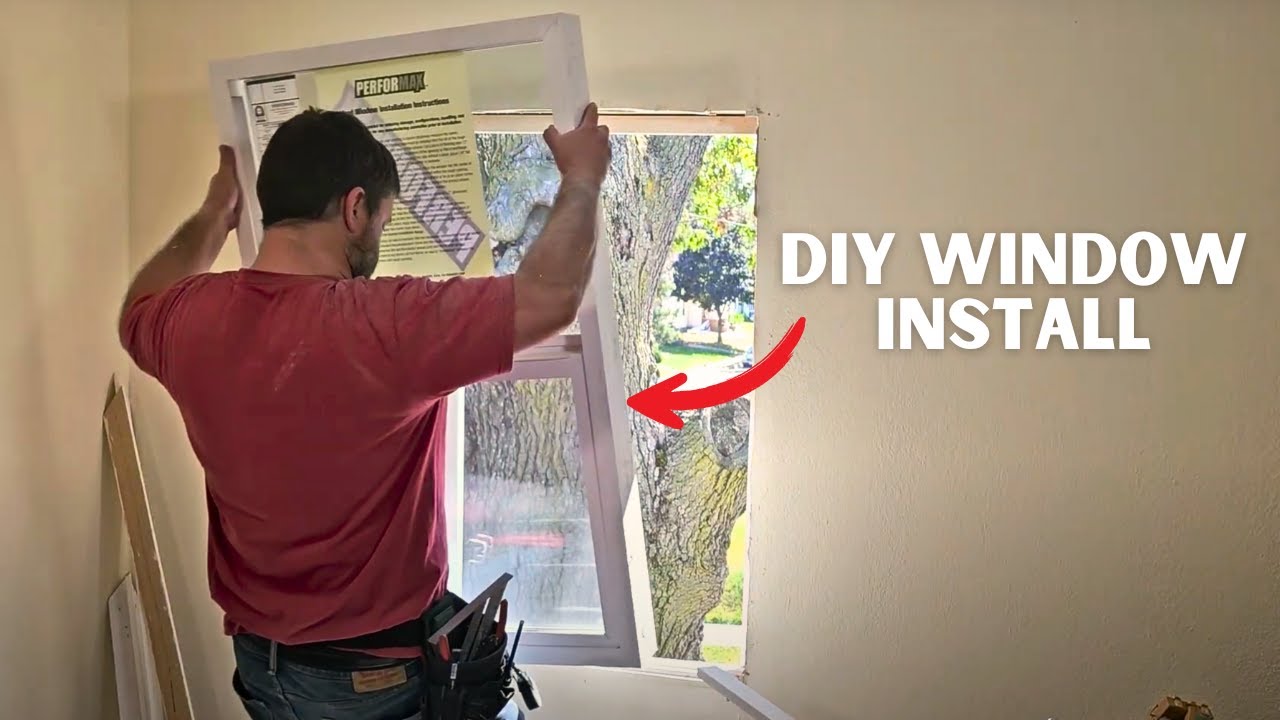
Audit your current windows: Walk each room and note drafty spots, glazing defects (fogging), hardware problems (sticking sashes), and visible warping. Take photos and measurements. This audit tells you which windows need full replacement versus retrofit sashes or weatherstripping.
Match frame type to installation style: If the existing frame is fused to trim or masonry, full-frame replacement will cost more than sash replacement. For a like-for-like look, choose fiberglass models that fit the same rough opening or expect carpentry to adjust openings. Measure twice and discuss rough-opening requirements with installers.
Choose glazing and gases deliberately: A fiberglass frame with single-pane glass won’t deliver the expected savings. Opt for double- or triple-pane, low-e coatings, and argon or krypton fills depending on your climate. In cold climates, low-e plus krypton in a triple-pane can significantly cut heat loss. In milder climates, a double-pane with argon is often the cost-effective choice.
Insist on proper installation details: Flashing, proper sealant, and air barriers are as important as the frame. Poor installation can negate benefits of premium windows. Ask your contractor about water management steps at the sill and head and how they will handle insulation around the frame without compressing it.
Compare warranties and expected service: Look beyond years of coverage. Read what the warranty covers: glass seal failure, hardware, and frame finish. Also check whether labor is included for a certain period. A longer warranty with limited glass coverage may not be as valuable as a shorter, comprehensive warranty.
Quick Win: Improve current windows today
- Apply new weatherstripping to sashes to reduce drafts.
- Caulk gaps between trim and siding to stop air leaks.
- Add interior storm panels or low-cost window inserts for winter—these can cut heat loss quickly and cheaply.
- Install cellular shades or insulating curtains to reduce radiant heat loss at night.
These steps don’t replace poor windows long-term, but they reduce immediate discomfort and energy waste while you plan an upgrade.
Quick self-assessment: Which window path fits your home?
Answer each statement with Yes or No. Tally your Yes answers at the end.
Scoring guide:
- 4-5 Yes: Strong candidate for fiberglass upgrade. Long-term savings and durability likely justify the higher initial investment.
- 2-3 Yes: Consider a hybrid approach: prioritize fiberglass for the worst-exposed or most-used windows and retrofit or improve the rest.
- 0-1 Yes: Vinyl replacement or targeted retrofits may be the most cost-effective path, but ensure quality installation and proper glazing.
What to expect after upgrading to fiberglass: a year-by-year timeline
Understanding realistic outcomes helps set expectations for costs, comfort, and maintenance.
Realistic financial outcome
If energy savings reduce your annual heating and cooling costs by 5-15% and fiberglass windows last 50% longer than a cheaper vinyl option, you often recoup a sizable portion of the premium over the life of the windows. The exact payback varies. Use your local climate, current energy bills, and detailed quotes to model payback.
Expert tips that only installers and building scientists usually share
- Don’t skip the thermal spacer: the spacer between glass panes matters. Warm-edge spacers reduce heat flow around the edge of the glass and cut condensation risk.
- Beware of thin frame rebates: narrow frames can squeeze insulation in the rough opening. Proper insulation around the frame should be continuous and not overly compressed.
- Match fenestration strategy to room use: south-facing windows benefit more from low-solar-heat-gain glass in hot climates. North-facing windows benefit most from maximizing U-factor in cold climates.
- Check compatibility with storm windows: some fiberglass profiles work really well with exterior storm windows for added seasonal flexibility.
These are small design choices that compound over the life of the window and are easy to overlook in a quick quote.
Final takeaways: How to decide for your home
Choose fiberglass when you want predictability. It resists dents, holds seal integrity, and keeps insulation performance stable as seasons change. Pay the premium if you plan to stay in the home long enough to benefit from durability and reduced maintenance, or if you live in a climate where thermal performance has a big impact on bills.
Opt for vinyl when budget constraints are tight, the home is short-term ownership, or when only a few windows need replacement and you prioritize immediate savings. In those cases, pick thicker vinyl profiles, quality glazing, and a reputable installer to avoid the common failure paths.
Start with the quick win steps today. Then run the self-assessment and collect 2-3 quotes that list installation details, glazing specs, and warranty coverage. That information will turn the problem of “Which window should I buy?” into a decision based on long-term cost, comfort, and peace of mind.
